
CPG Pros & Cons: Getting Your Product Into the National Spotlight
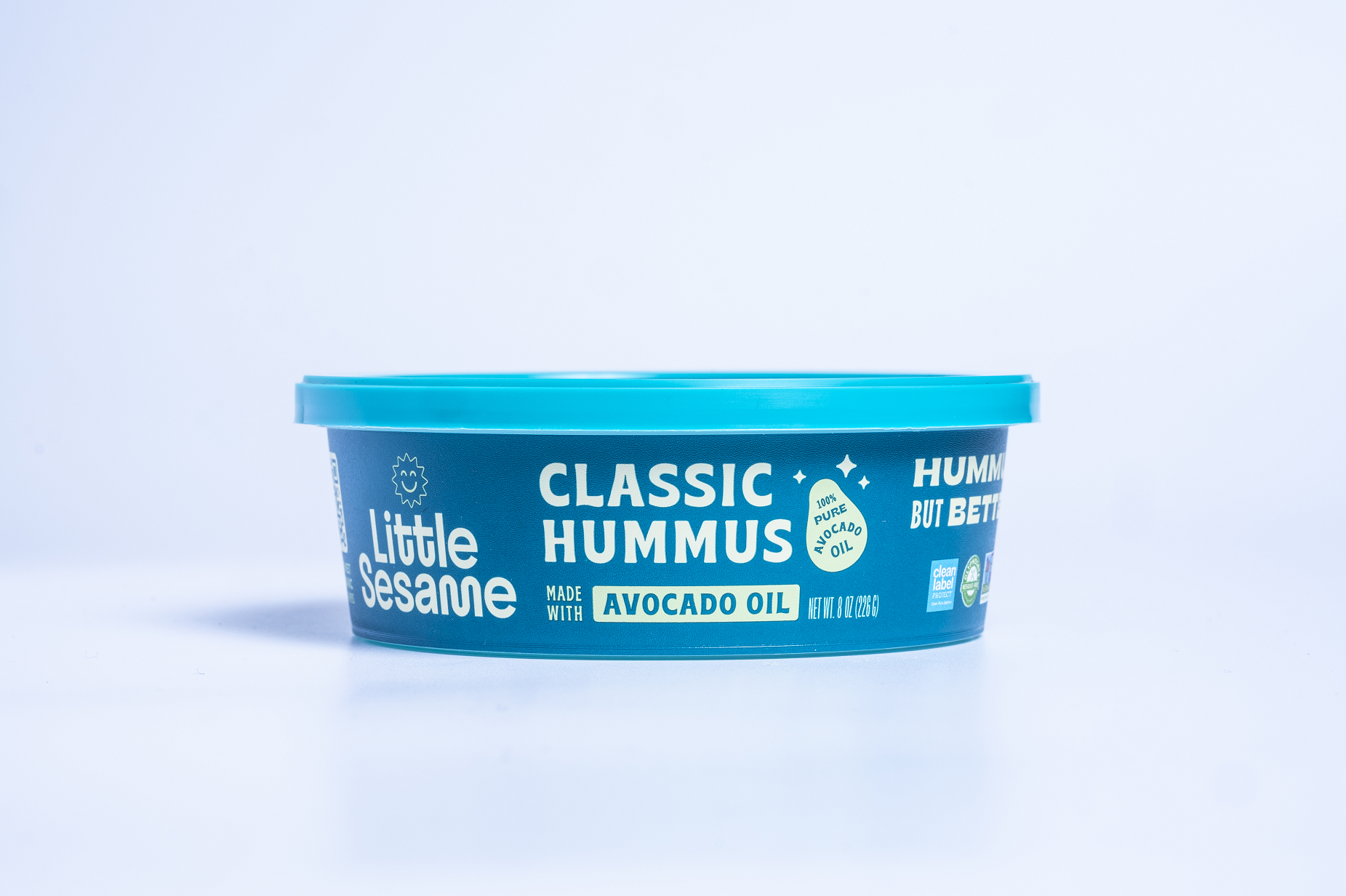
Many restaurant owners reach a point where they start hearing guests say, “Wow this is so good - you should be in grocery stores!”
Whether it’s a sauce, condiment, frozen item, or signature dish, the jump from restaurant favorite to consumer packaged goods (CPG) can feel like a natural next step - and in some cases, it is. But what's often underestimated is just how different the CPG business is from restaurant operations.
From manufacturing and distribution to pricing, margins, compliance, and marketing, getting onto regional or national shelves isn’t a side project, it’s a full-time business that requires work, capital, patience, and different skills to running a restaurant.
To talk candidly about what that journey actually looks like, we sat down with Nick Wiseman, Founder of Little Sesame Hummus, to discuss the realities, trade-offs, and lessons learned from taking a restaurant-driven product into the national CPG spotlight. Nick has owned businesses on both sides of the table, upscale casual to fast casual restaurants and CPG, so he is uniquely qualified to advise on the pros and cons of going national!
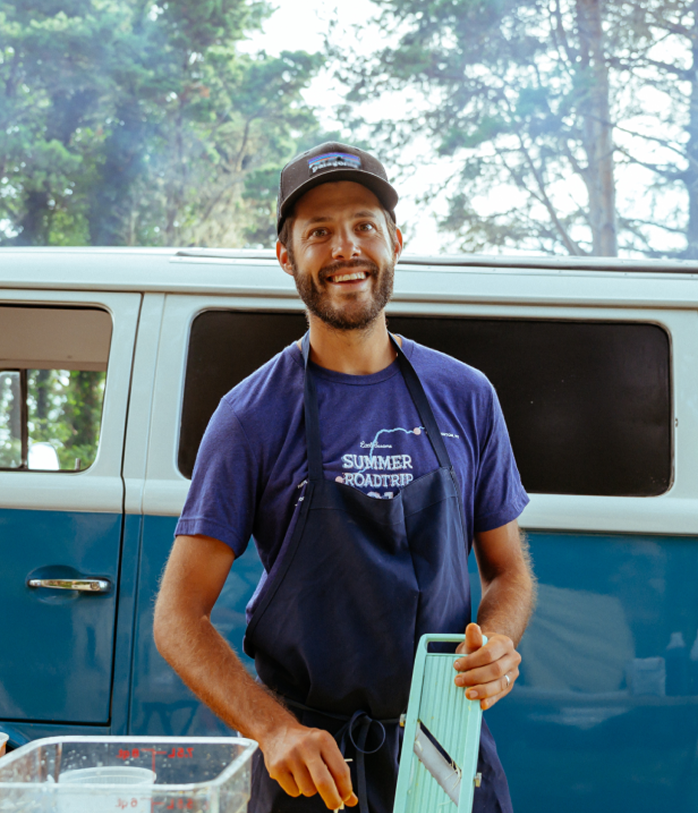
Nick Wiseman, Founder of Little Sesame Hummus.
What first made you realize that Little Sesame had potential beyond the restaurant and into CPG?
Nick: We always staked our reputation around freshly spun hummus. It wasn’t just a menu item—it was the core of what we did. And because of that, it naturally translated to CPG.
Even early on, we were selling pints out of the restaurant, so we knew there was a real lane there. People didn’t just want to experience it in our space—they wanted it at home.
COVID really accelerated everything. When distribution had to shift overnight, we put a ton of time and energy into dialing in the product experience—how it traveled, how it held up, how it showed up outside the restaurant.
And we started seeing a clear behavior change; people were coming in specifically just to buy hummus. That’s when it became obvious this could live far beyond our four walls.
What were the biggest differences between running a restaurant brand and building a CPG brand that surprised you most? Where did you most underestimate the shift?
Nick: Speed and feedback loops. In a restaurant, everything is immediate. You make something, you see the reaction, you tweak it the next day.
In CPG, everything is slower and more expensive. You make a decision on packaging, formulation, or pricing—and you live with it for months, sometimes years.
I underestimated how operationally complex it is. Restaurants are intense, but they’re controlled environments. CPG introduces wholesalers, distributors, retailers, brokers—each with their own incentives. You’re building a system, not just a product.
How early did you realize that CPG is not a “side hustle,” but a full-time commitment? What was the turning point?
Nick: Very quickly.
The turning point was when demand started to outpace what we could produce in the restaurant, and we had real retail interest. We were trying to juggle restaurant operations while figuring out production, logistics, and sales. It became clear very quickly: doing both halfway wasn’t going to work.
That’s when we started bringing in people who had actually done this before and we made investments into scaling our manufacturing capacity.
What does it really take to get onto regional or national shelves? What hurdles show up in a big way?
Nick: Getting on the shelf is hard. Staying on the shelf is harder.
Buyers are looking for three things: differentiation, velocity, and reliability. You need a product that can be accretive to the store, not just compete for sales with legacy brands but actually grow the category.
The big hurdles:
Production scale: What works in a kitchen doesn’t always translate to manufacturing.
Shelf life: You have to extend it without compromising what makes the product special.
Pricing: You need to hit margins for you, the distributor, and the retailer—and still be competitive on shelf.
Velocity: If it doesn’t move, it’s gone. You don’t get many chances.
And then there’s placement and the brand block on shelf. Shelf position, merchandising, demos—all of that blocking-and-tackling matters more than people think.
How did funding and financial backing factor into your ability to grow nationally?
Nick: It’s critical. CPG is really capital intensive for the long haul.
You’re funding inventory, production runs, slotting, promotions, trade spend—it adds up fast. And you often spend money months before you see any return.
Having the right capital partners allowed us to invest ahead of the curve—whether that was in better production, stronger branding, or building out the team. Without that, it’s very hard to scale beyond a regional footprint.
Equity has gotten expensive so we’ve also been creative about a more dynamic capital stack; adding strategic debt partners and pursuing grant opportunities.
What operational or brand compromises did you not anticipate?
Nick: Shelf life was the big one.
In the restaurant, everything is made fresh and served immediately. In CPG, you’re building a product that has to travel across the country and still taste incredible weeks—sometimes months—later. That forces a completely different set of decisions around formulation and process that you just don’t think about in a kitchen.
Scaling manufacturing was the other major shift. In the early days, we were juicing every lemon, picking every herb, and cutting every onion by hand. While we still bring a strong culinary lens to how we make the product, we’ve had to upstream certain things in the name of quality and consistency at scale.
The hardest part is protecting the soul of the product while building speed, durability and efficiency you need to win in CPG.
For restaurant owners considering CPG today, what are the top 3 questions they should ask themselves?
Nick:
Is this actually a product—or just a great dish?
Not everything that works in a restaurant translates to retail.Am I ready to build a completely different business?
CPG is not an extension of your restaurant—it’s a new company with new rules.Do I have the time, capital, and team to do this right?
If it’s a side project, it will likely stay small. To scale, it needs real focus and real resources.
For restaurant owners exploring CPG, the opportunity can be exciting but the financial, operational, and strategic implications are significant. Before making the leap, it’s worth pressure-testing the idea, the numbers, and the long-term impact on your core business.
If CPG is on your radar, we encourage you to talk with your Harmony team early to help evaluate feasibility, capital needs, and how it fits into your broader growth strategy.